Microsoft Copilot Entertainment Purposes Disclaimer: What It Really Means
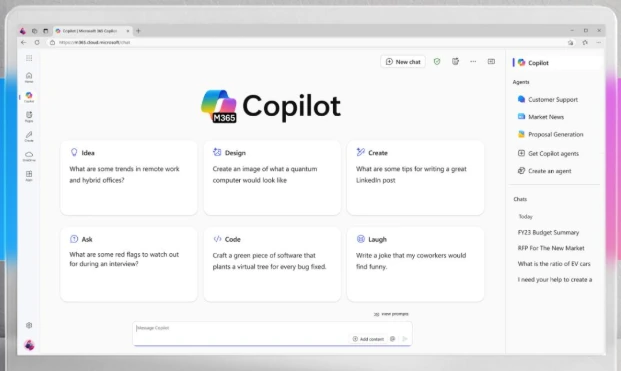
Microsoft Copilot drew attention after users noticed wording in its terms that described Copilot as being “for entertainment purposes only.” The line sounded strange because Microsoft also promotes Copilot as a productivity tool for work, research, writing, spreadsheets, meetings and enterprise workflows.
The real issue is not whether Copilot is only a toy. Microsoft has already described the wording as legacy language that no longer reflects how the product is used today. The bigger point is more important: AI companies are still warning users not to treat model output as final truth, professional advice or a replacement for human judgment.
Why the Copilot wording became a problem
The phrase “for entertainment purposes only” became controversial because it clashes with how Copilot is positioned. A product marketed for productivity, business tasks and workplace assistance does not sound like something users should treat as casual entertainment.
That tension is what made the wording travel quickly across social media. Users saw a gap between the public promise of AI and the legal caution behind it. On one side, Copilot is presented as a tool that can help with writing, planning, searching, summarizing and managing work. On the other side, the disclaimer warned that the product can make mistakes, may not work as intended and should not be used for important advice.
For everyday users, that sounds contradictory. For technology companies, it is part of a wider legal and product-risk pattern. Generative AI tools can produce useful answers, but they can also produce incorrect, incomplete or misleading information with confident language. Terms of use often try to limit the assumption that the company guarantees every output.
Microsoft’s explanation matters, but it does not remove the concern
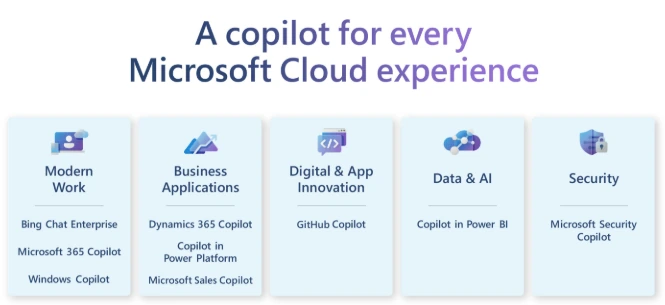
Microsoft’s response was that the phrase was legacy language from an earlier version of the product experience and would be changed in a future update. That explanation is plausible because Copilot evolved from a consumer-facing AI search companion into a wider product family connected to Windows, Microsoft 365 and business workflows.
Still, the concern does not disappear simply because the wording is old. The disclaimer became visible because it expresses a problem that still exists across AI tools: models can be helpful without being fully reliable.
That is the uncomfortable middle ground. Copilot can draft text, summarize documents, suggest actions and support workflows. It can also misunderstand context, invent details, miss recent changes or produce answers that look more certain than they are. Removing the phrase “entertainment purposes” may make the terms sound less awkward, but it does not make AI output automatically dependable.
AI disclaimers are becoming a normal part of the industry
Microsoft is not alone in warning users about AI output. Major AI companies commonly tell users not to rely on model responses as the only source of factual information, professional advice or decision-making support.
The wording varies, but the logic is similar. AI systems generate responses based on patterns, context and available data. They do not “know” truth in the same way a verified database, official record or qualified professional does. Even when the answer sounds fluent, it can still contain errors.
This is why AI disclaimers are not just legal decoration. They reflect a real technical limitation. Generative AI is powerful at producing language, summarizing information and helping users explore ideas. It is weaker when the user needs guaranteed accuracy, legal certainty, medical judgment, financial advice or exact product data without verification.
The problem becomes sharper because many users do not interact with AI as a rough assistant. They use it like a search engine, consultant, analyst or decision tool. That gap between expected reliability and actual reliability is where most risk appears.
What “use at your own risk” means for regular users
For a regular user, the Copilot disclaimer should not mean “never use AI.” It means AI output needs the right level of trust.
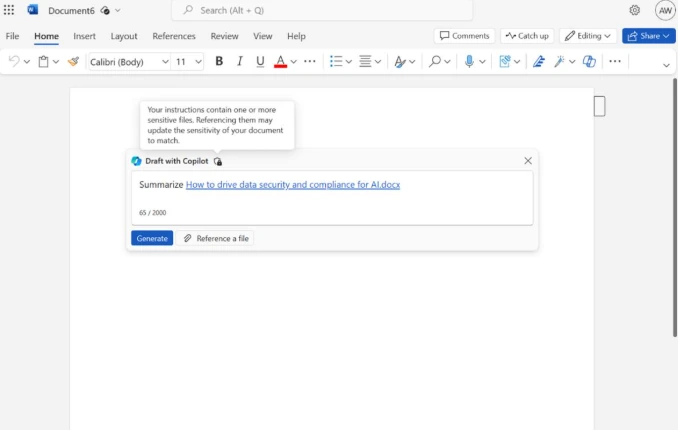
A simple brainstorming task carries low risk. Asking Copilot to suggest headline ideas, summarize a non-critical note or rewrite a casual message is very different from asking it to interpret a contract, diagnose a health issue, calculate taxes or decide a business policy.
The practical rule is straightforward: the more important the outcome, the more verification is needed.
If Copilot helps write an email, the user should still read it before sending. If it summarizes a report, the user should check the original document before making a decision. If it explains a policy, law, price, product feature or technical process, the user should confirm the detail through a reliable source or a qualified person.
This is not a weakness unique to Copilot. It is the basic operating model for responsible AI use.
Why this matters more in business settings
The wording became especially sensitive because Copilot is not just a consumer chatbot. Microsoft has put Copilot at the center of its business software strategy. Companies may use AI inside documents, meetings, spreadsheets, email, presentations and internal workflows.
That raises the stakes. A wrong answer in a personal chat may be annoying. A wrong answer inside a business workflow can affect decisions, reports, customer communication, compliance, budget planning or employee productivity.
Enterprise users also face a second risk: automation bias. When AI appears inside familiar workplace software, people may trust it more than they should. A response placed inside a document, spreadsheet or meeting summary can feel official simply because it appears in a professional environment.
That is why businesses need rules around Copilot and similar tools. Employees should know which tasks are safe for AI assistance, which tasks require human review and which tasks should not be delegated to AI at all.
The difference between productivity help and professional advice
One reason the Copilot disclaimer sounded harsh is that users often blur the line between productivity support and important advice.
AI can help organize information. It can draft, summarize, compare, rephrase and propose next steps. That makes it useful for productivity. But professional advice requires accountability, expertise and context that a general AI assistant may not have.
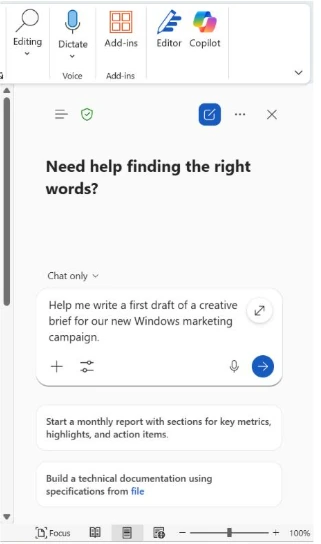
A tool can help prepare a first draft of a business memo, but that does not mean it should make the final business decision. It can explain common legal terms, but that does not make it a lawyer. It can summarize financial concepts, but that does not make it a financial adviser.
This distinction is where Microsoft’s awkward wording points to a real user education issue. AI tools are becoming easier to use, but users still need to understand the limits of the output.
How users should handle Copilot responses
The safest way to use Copilot is to treat it as an assistant, not an authority. That means the output can be useful, but the user remains responsible for checking it.
For low-risk work, a quick review may be enough. For medium-risk work, users should compare the output with the original material or known facts. For high-risk work, human expert review is essential.
A practical approach looks like this:
- use Copilot for drafts, summaries, outlines and idea generation;
- check names, dates, figures, product details and claims;
- avoid using AI output alone for legal, medical, financial or safety decisions;
- review anything that will be published, sent to clients or used in management decisions;
- keep sensitive company rules and data policies in mind before entering information into AI tools.
This is not about rejecting AI. It is about using it at the correct risk level.
What Microsoft should clarify next
Microsoft’s decision to change the wording is sensible. “For entertainment purposes only” does not match the way Copilot is currently marketed or used. But the replacement language should not simply make the product sound safer than it is.
The better approach would be clearer guidance. Users need to know what Copilot is suitable for, where human review is required and which categories of advice remain outside the tool’s intended use. Businesses also need plain-language terms that separate consumer experimentation from enterprise workflows.
AI companies benefit when users understand the boundary. Overpromising creates disappointment and legal risk. Overly broad disclaimers create distrust. The most credible position is honest: AI can be useful, fast and productive, but it is not a final source of truth.
The useful lesson from the Copilot controversy
The Microsoft Copilot entertainment purposes debate is less about one awkward phrase and more about how AI products are being introduced into daily work.
Copilot is not just entertainment in practical use. People use it for writing, planning, research, summaries and workplace support. But the disclaimer reminded users that AI output still needs review, especially when the result affects money, health, law, business decisions or public information.
The best way to read the controversy is simple: AI tools are becoming more capable, but responsibility has not disappeared. Copilot can help users move faster. It cannot remove the need to think, check and decide carefully.