AI Agents News: Why Enterprise Adoption Now Depends on Permissions
The biggest enterprise AI agent bottleneck is no longer just model performance. The harder question is permissioning: what can the agent access, whose authority does it use, what workflow can it trigger and where does the audit trail live afterward?
That is why the latest AI agents news around Workday Sana and Google Gemini Enterprise matters. It is not simply another partnership between two large technology companies. It shows where enterprise AI is moving: away from impressive demos and toward governed execution inside real business systems.
A chatbot can be useful with loose context. An enterprise agent cannot. Once an AI system starts touching HR, finance, schedules, approvals or employee data, the model’s answer is only one part of the problem. The system also has to prove that the action is allowed.
Practical verdict for enterprise teams
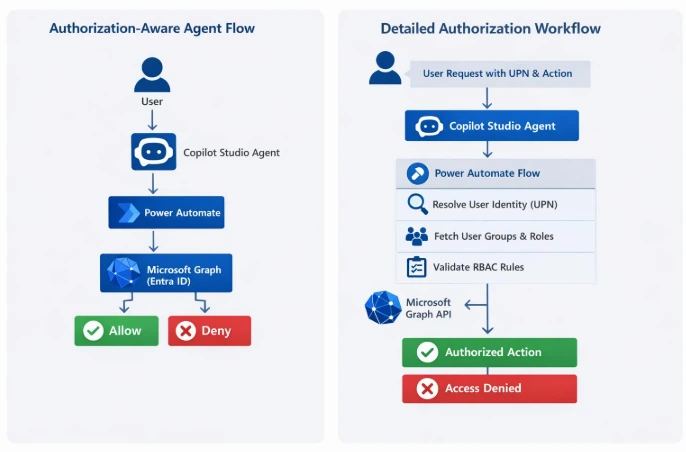
AI agents are useful when they can answer, route and execute within existing business rules. They become risky when they are connected directly to raw data without role-based permissions, approval logic and audit controls.
For enterprise buyers, the first question should not be “Which model is smartest?” It should be “What is this agent allowed to do, how is that permission checked and who can review the action later?”
Why model performance is not enough anymore
For the last two years, much of the AI market has talked about reasoning, speed, context windows, tool use and model benchmarks. Those improvements still matter, but they do not solve the core enterprise problem by themselves.
A stronger model may understand a payroll question better. It may summarize a finance policy more clearly. It may draft an answer that sounds polished. But if it ignores the user’s permission level, the organizational hierarchy or the approval path, the result can still be wrong.
Enterprise work is not only about information. It is about authorized action.
A manager may be allowed to view one team’s schedule but not another. An HR specialist may be able to update certain records but not approve compensation changes. A finance employee may see expense data but still need a separate approval path before a payment moves forward. An AI agent has to respect all of that.
This is why permissions are becoming the real infrastructure layer for agentic AI.
What Workday Sana changes in the conversation
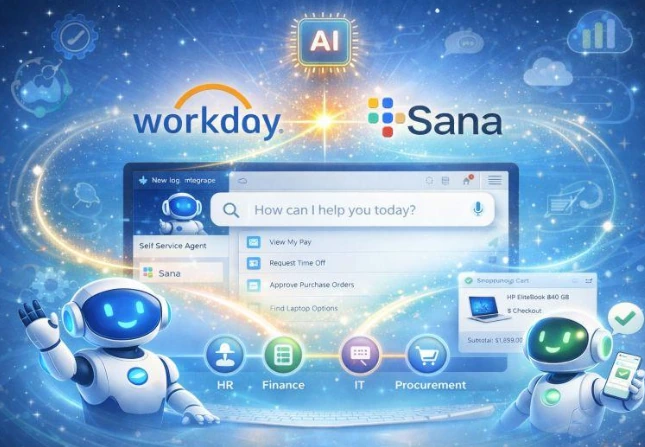
Workday’s approach with Sana is important because it treats the system of record as the agent governance layer. Instead of letting an AI agent roam across raw enterprise data, Sana is designed to work through Workday’s existing security, identity, approval and business-process structure.
That is a meaningful distinction.
Workday already stores sensitive HR and finance context for many companies: employee records, roles, reporting lines, schedules, approvals, compensation structures and organizational rules. If an agent operates inside that environment, it can inherit the permissions that already govern human users.
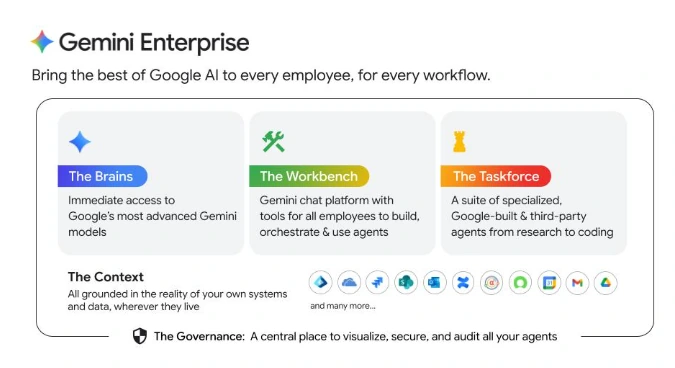
With the Google partnership, Sana Self-Service Agent can surface inside Gemini Enterprise. Employees can ask questions through Gemini, but the response is grounded in Workday data with Workday permissions and policies applied. Gemini becomes the conversational entry point. Workday remains the authority layer.
That split is the practical architecture: flexible front end, controlled back end.
The three layers enterprise agents need
A useful way to understand this shift is to separate enterprise AI agents into three layers.
| Layer | What it handles | Why it matters |
| Model performance | Reasoning, language, summarization, planning | Helps the agent understand and respond clearly |
| Permissioning | Identity, access, role-based rules, approvals | Controls what the agent can see and do |
| Auditability | Logs, action history, ownership, review trails | Shows what happened, who authorized it and why |
Most early AI excitement focused on the first layer. Enterprise adoption depends on all three.
If model performance is strong but permissioning is weak, the agent may answer too broadly or expose information. If permissioning is strong but auditability is weak, the company may struggle to investigate what happened after an automated action. If auditability exists only in a chat log, it may not be enough for HR, finance or compliance review.
The strongest enterprise agents will combine reasoning with business authority and traceability.
HR and finance show why the stakes are different
HR and finance are useful test cases because they leave very little room for casual mistakes.
A consumer AI assistant can give a weak restaurant recommendation and the consequence is minor. An enterprise agent that mishandles leave requests, payroll corrections, expense approvals or workforce schedules can create real damage.
Consider a few practical scenarios.
If an employee asks about paid time off, the agent needs the current balance, the company policy, the employee’s region and the manager approval path. If a finance user asks about an expense, the agent needs the policy, spending limit, department rules and transaction status. If a manager asks to adjust a schedule, the system must know who reports to that manager and whether the change affects labor rules or internal staffing constraints.
These are not ordinary search questions. They are business-process questions.
That is why “almost right” is not good enough. A slightly wrong answer in a meeting summary can be corrected. A slightly wrong action in payroll or finance can trigger manual cleanup, employee frustration and compliance risk.
The danger of DIY agents on raw data
Many companies are tempted to build do-it-yourself AI agents by connecting a model to internal data sources. That can look effective in a prototype. The agent retrieves information, answers quickly and appears to understand the business.
The weakness appears later.
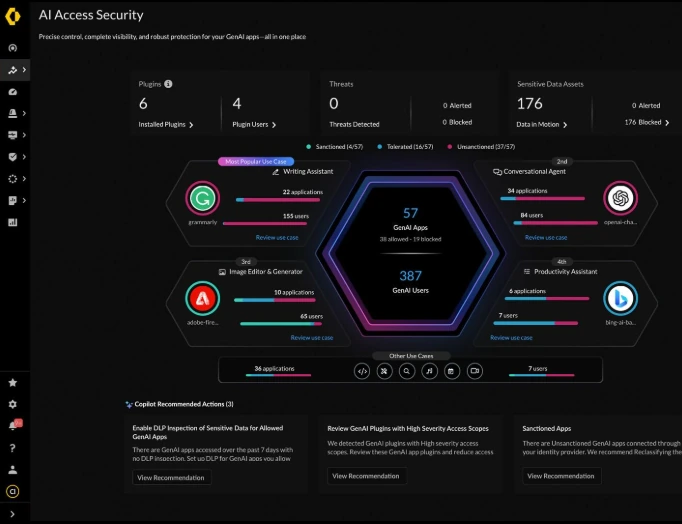
Raw data access often misses the permission logic that lives inside the original business system. A document repository may contain useful information, but it may not know whether the current user should see every field. A database may contain employee records, but it may not enforce the same approval logic as the HR platform. A custom agent may answer from the right data while bypassing the rules that make the data safe to use.
That is where enterprise AI risk becomes structural. The issue is not that the model is bad. The issue is that the agent has been placed outside the system that understands authority.
For low-risk internal search, this may be manageable. For HR, finance, compliance, customer data or operational approvals, it becomes dangerous quickly.
Agent identity is becoming a governance requirement
Traditional software systems know which human user performed an action. AI agents complicate that chain.
If an employee asks an agent to complete a task, is the action owned by the employee, the agent, the application or the company workflow? If the agent calls another tool, should that tool see the agent as a separate identity or as the user? If the agent makes a mistake, who can review the authorization path?
These questions are not theoretical. They affect how companies assign responsibility.
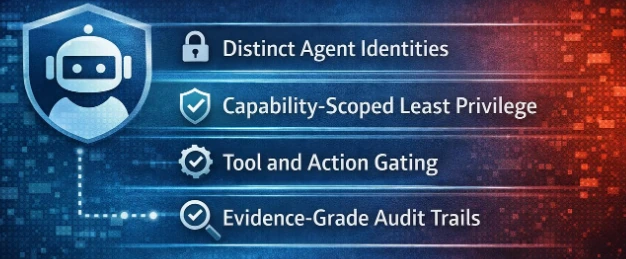
Agent identity gives enterprises a way to track AI systems as operational actors. It helps define what an agent can do, what it costs, which user or team owns it, and how its actions are monitored. Without that ownership layer, companies can end up with invisible automation spreading across workflows.
The more agents a company deploys, the more important this becomes. One unmanaged agent may be a project risk. Hundreds of unmanaged agents can become an operational blind spot.
Audit trails matter more once agents take action
Audit trails are easy to underestimate when AI is only answering questions. They become essential when AI starts triggering workflows.
A chat log can show what the user asked. That is useful, but it is not the same as a business audit trail. The business system must also show what changed, which permission was used, what approval path applied and whether the action matched policy.
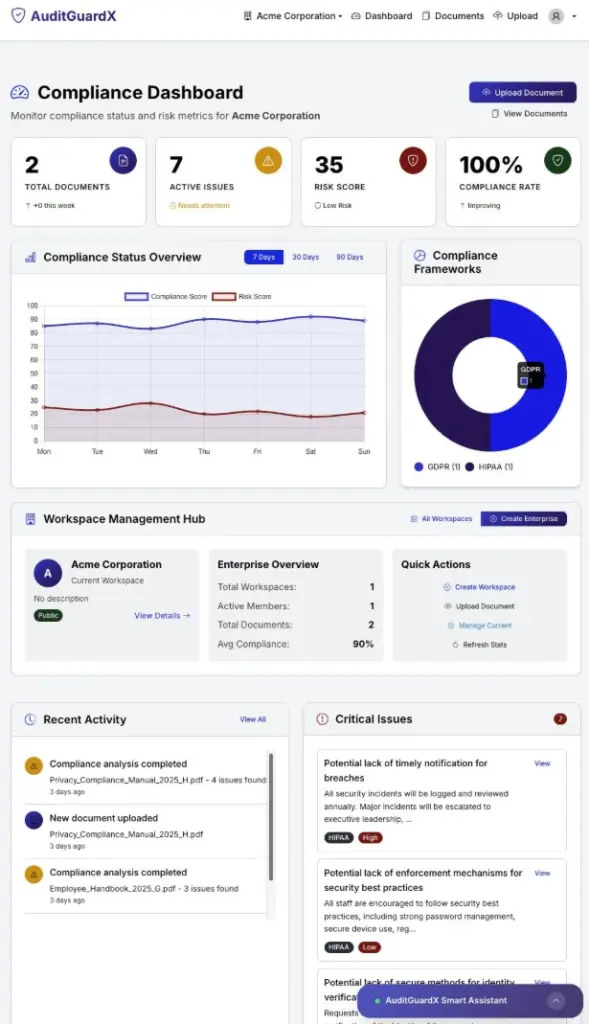
For example, if an agent helps with an expense approval, the company needs more than a record of the prompt. It needs the approval status, the user identity, the policy rule, the final action and the record inside the finance system. If an agent answers an HR question, the audit should show that the response used the correct employee context and did not expose restricted information.
This is where systems of record have an advantage. They already hold the authoritative business process. If the agent works through that layer, the audit trail can stay connected to the workflow rather than floating separately in an AI interface.
What this means for AI agents news in 2026
The enterprise AI story in 2026 is shifting from experimentation to control. Companies still want faster workflows, better self-service and smarter assistants. But they also want agents that can be governed.
That changes what counts as meaningful AI agents news. A new model release matters. A better agent interface matters. But the deeper story is whether the agent can operate safely inside real company structures.
The next competitive edge may belong to vendors that solve permissioning, identity, approvals and auditability better than rivals. The smartest model will not win enterprise trust if it cannot prove what it is allowed to do.
The next phase of enterprise AI
Workday Sana and Gemini Enterprise point to a more realistic future for workplace AI. Employees may interact with one conversational surface, but sensitive answers and actions still need to be governed by the systems that own the data.
That is the direction enterprise agents must take. They need strong models, but they also need business context, controlled execution and reviewable records.
AI agents will move from helpful assistants to operational tools only when companies can trust the permission layer underneath them. Until then, the bottleneck is not intelligence. It is authority.